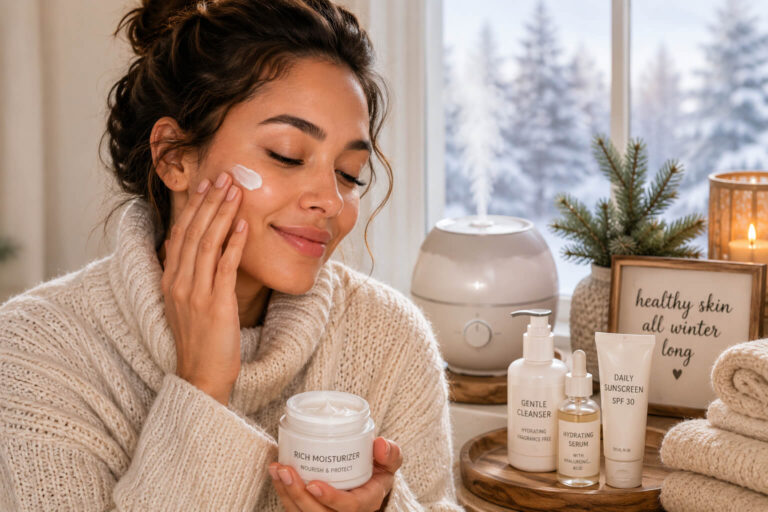

15 Skincare Routine Ideas for a Glass Skin Look
A glowing, glass-like complexion does not require a bathroom shelf overflowing with products. The secret is a smart skincare routine built around hydration, a healthy skin barrier, gentle exfoliation, and consistent sun protection. Glass skin is less about having perfectly poreless skin and more about creating a complexion that looks smooth, fresh, plump, and naturally luminous.
The best approach is also the simplest: choose ingredients that suit your skin, introduce active products gradually, and give your routine enough time to work. Dermatologists consistently emphasize gentle cleansing, moisturizing, and daily broad-spectrum sunscreen as foundations for healthier-looking skin.
Ready to get that fresh-from-a-facial glow? Here are 15 practical ideas to build your ideal glass skin routine.
What Is a Glass Skin Routine?
A glass skin routine is a skincare approach focused on maximizing hydration, smoothness, clarity, and natural radiance. The goal is not literally transparent skin or completely invisible pores. Instead, it is about supporting your skin barrier so your complexion appears soft, supple, even-toned, and beautifully reflective.
Think of glass skin as a finish rather than a specific skin type.
Dry skin may achieve it through richer hydration and barrier-supporting ingredients. Oily skin may prefer lightweight layers that hydrate without feeling heavy. Sensitive skin may need a shorter routine with fewer actives.
The biggest mistake is assuming that more products automatically create more glow. In reality, piling on too many exfoliants or active ingredients can irritate the skin and make it look dull, dry, or inflamed. The American Academy of Dermatology recommends choosing products according to your skin type and introducing targeted treatments thoughtfully rather than using multiple anti-aging products at once.
1. Start Your Skincare Routine With a Gentle Cleanser
Beautiful skin starts with a clean canvas, but that does not mean your cleanser should leave your face feeling squeaky or tight.
Choose a gentle cleanser that removes sunscreen, makeup, excess oil, and everyday buildup without aggressively stripping your skin. If your complexion feels tight immediately after washing, your cleanser may be too harsh for your skin.
For a morning skincare routine, a gentle cleanser can refresh your face before your hydrating products. At night, cleansing becomes particularly important because it removes makeup, sunscreen, pollution, and accumulated oil.
Glass skin tip: Use lukewarm water rather than very hot water, massage cleanser gently with your fingertips, and avoid vigorous scrubbing.
The objective is clean, comfortable skin—not that overly dry, “squeaky-clean” sensation.
2. Layer a Hydrating Toner or Essence
One of the easiest ways to make your skincare routine feel more nourishing is to add a lightweight hydrating toner or essence.
Look for formulas featuring ingredients such as:
- Hyaluronic acid
- Glycerin
- Panthenol
- Beta-glucan
- Aloe vera
- Centella asiatica
These types of ingredients can help your skin feel more hydrated and comfortable.
You do not necessarily need a toner if your cleanser and moisturizer already provide enough hydration. But for anyone who loves the dewy, bouncy appearance associated with glass skin, a lightweight hydrating layer can be a useful addition.
Apply it after cleansing while your skin is slightly damp, then follow with your serum or moisturizer.
The trick: Think thin-to-thick when layering. Lightweight watery products generally go before thicker creams.
3. Make Hydration the Star of Your Skincare Routine
If there is one concept that deserves a starring role in your skincare routine, it is hydration.
Well-hydrated skin can look plumper, smoother, and more luminous. When skin becomes dehydrated, fine lines and rough texture can appear more noticeable, making it harder to achieve that glossy finish.
Try building hydration through several lightweight layers rather than applying one extremely heavy product.
For example:
Cleanser → hydrating toner → serum → moisturizer → sunscreen
Hyaluronic acid and glycerin are popular humectants that help attract and retain water. The AAD also identifies hyaluronic acid and glycerin as useful ingredients for dry or sensitive skin, while ceramides can support the skin barrier.
If you use a humectant-rich serum, applying moisturizer afterward can help lock in that comfortable, hydrated feeling.
4. Add a Niacinamide Serum for a More Even Glow
Niacinamide is one of those versatile ingredients that can fit into many skincare routines.
It is especially popular for people who want to improve the appearance of uneven tone, excess shine, visible pores, and overall dullness while keeping their routine relatively simple.
For beginners, there is no need to immediately reach for an extremely high concentration. A moderate formula may be easier to incorporate consistently.
Apply your niacinamide serum after cleansing and hydrating, then follow with moisturizer.
Why it works for a glass skin look: A smoother-looking, more balanced complexion naturally reflects light more evenly, helping your skin appear fresher and brighter.
Remember that a serum is not magic. Consistency matters much more than collecting several different bottles.
5. Use a Vitamin C Serum in Your Morning Routine
Want to make your morning skincare routine more glow-focused? Consider vitamin C.
Vitamin C is widely used in skincare for its antioxidant properties and its ability to support a brighter, more even-looking complexion. It can complement your daily sun-protection habits, although it should never replace sunscreen.
A simple morning order can look like:
Cleanser → vitamin C serum → moisturizer → broad-spectrum SPF 30+
If you have sensitive skin, introduce vitamin C slowly rather than immediately using it every morning.
Keep your expectations realistic, too. A brighter complexion develops gradually. The goal is healthy-looking skin, not an overnight transformation.
And because sunscreen is essential to protecting your skin from UV exposure, it should remain the final skincare step before makeup. The AAD recommends broad-spectrum, water-resistant SPF 30 or higher.
6. Try Gentle Exfoliation Instead of Daily Scrubbing
Smooth skin and glass skin go hand in hand, but aggressive exfoliation can work against you.
Instead of using a rough physical scrub every day, consider a gentle chemical exfoliant suited to your skin type.
Common options include:
- Lactic acid: Often favored for a gentler exfoliating approach.
- Glycolic acid: A stronger alpha hydroxy acid that can improve the appearance of uneven texture.
- Salicylic acid: A beta hydroxy acid commonly used for oily or acne-prone skin.
You do not need to use all three.
Start slowly—perhaps once weekly—and increase only if your skin tolerates it well. Over-exfoliating can cause irritation, dryness, and sensitivity, which is the opposite of the smooth, healthy appearance you want.
A useful rule is: if your skin feels raw, stings, burns, or becomes unusually tight, take a break from active exfoliation.
The AAD notes that chemical exfoliators such as AHAs and BHAs can be useful for specific concerns, but also warns against stacking multiple active ingredients unnecessarily because irritation can result.
7. Choose a Barrier-Supporting Moisturizer
A glowing complexion needs a strong foundation, and your skin barrier is that foundation.
A good moisturizer helps reduce moisture loss and keeps skin feeling soft and comfortable. Look for ingredients such as:
- Ceramides
- Glycerin
- Hyaluronic acid
- Squalane
- Panthenol
- Fatty acids
Your ideal formula depends on your skin type.
Oily skin: Try a lightweight gel or lotion.
Combination skin: Use a medium-weight moisturizer, adjusting the amount by area.
Dry skin: Consider a richer cream with barrier-supporting ingredients.
Sensitive skin: Keep the formula simple and fragrance-free if your skin tends to react easily.
One of the smartest glass skin habits is to moisturize consistently rather than constantly switching products.
8. Never Skip SPF in Your Skincare Routine
This may be the least glamorous step, but it is arguably one of the most important.
Daily sun protection helps protect your complexion from UV-related skin damage, including premature skin aging and dark spots. The AAD recommends broad-spectrum SPF 30 or higher and advises reapplication when spending extended time outdoors, particularly after swimming or sweating.
For a glass skin routine, sunscreen should be your morning routine’s final skincare step.
Apply it generously to exposed areas, including your face, neck, and ears.
If you spend considerable time outdoors, remember that one morning application may not be enough. Reapply as directed on the product label and after activities such as swimming or heavy sweating.
Glass skin rule: Do not chase brightness while ignoring UV protection. Healthy-looking skin needs protection first.
9. Build a Simple Double-Cleansing Night Routine
If you wear makeup or water-resistant sunscreen, double cleansing can be a useful evening skincare routine option.
The first cleanse helps dissolve makeup, sunscreen, and oil-based buildup. The second gentle cleanse removes remaining residue and cleans the skin.
A typical combination is:
Cleansing balm or oil → gentle water-based cleanser
However, double cleansing is not mandatory for everyone. If a single gentle cleanser effectively removes what you wear during the day without leaving residue, you may not need two cleansing steps.
The goal is effective cleansing without over-cleansing.
If your face feels tight, uncomfortable, or unusually dry afterward, simplify the routine rather than adding more moisturizing products to compensate.
10. Add a Retinoid Gradually at Night
For people looking beyond hydration and glow, a retinoid can be an effective nighttime skincare routine ingredient.
Retinoids are vitamin A derivatives used for concerns including acne, uneven texture, and signs of skin aging. Retinol is available in many over-the-counter skincare products, while some stronger retinoids are prescribed by dermatologists.
Because retinoids can initially cause dryness or irritation, introduce them gradually.
A beginner-friendly evening structure could be:
Cleanser → moisturizer → retinoid → moisturizer
Some people prefer applying moisturizer before and after a retinoid to make the routine more comfortable.
Avoid jumping into daily use immediately. Give your skin time to adjust and follow the directions for your particular product.
If you are pregnant, trying to become pregnant, or have a specific skin condition, speak with an appropriate healthcare professional before introducing a retinoid.
11. Try the “Skin Flooding” Approach for Extra Hydration
If your complexion frequently feels tight or dehydrated, you can experiment with a gentle hydration-layering technique sometimes described online as “skin flooding.”
The idea is simple: layer several lightweight, water-rich products before sealing everything in with moisturizer.
For example:
- Cleanse gently.
- Apply a hydrating toner or essence.
- Use a hydrating serum.
- Apply moisturizer.
- Finish with sunscreen in the morning.
The important part is not applying as many products as possible. Instead, select a few compatible formulas and avoid overwhelming your skin.
This approach can be particularly appealing during dry weather or whenever your complexion feels dull and tight.
12. Use a Hydrating Face Mask on Your Reset Night
A face mask can be a fun addition to your skincare routine, especially when your skin needs extra hydration.
For dry or sensitive skin, look for ingredients such as hyaluronic acid, glycerin, ceramides, colloidal oatmeal, or soothing botanical ingredients. The AAD notes that these ingredients can help support hydration, comfort, and the skin barrier.
You do not need to use a mask every night.
Once or twice a week can be plenty, depending on the product and your skin.
If you use active ingredients such as retinol or exfoliating acids, avoid piling another strong active mask on top. Your skin does not need a chemistry experiment every evening.
Better approach: Make mask night your simple reset night—hydration, moisturizer, and rest.
13. Create a “Less Is More” Skincare Routine
One of the most underrated glass skin ideas is simplifying your shelf.
It is tempting to combine:
Vitamin C + retinol + glycolic acid + salicylic acid + exfoliating toner + clay mask + several serums.
But more active ingredients do not automatically mean better results.
In fact, overloading your routine can trigger irritation. Dermatologists recommend focusing on your primary skin concern and avoiding multiple new anti-aging products at once because irritation can make skin look worse rather than better.
Instead, build your skincare routine around the essentials:
Morning:
Cleanser → treatment serum → moisturizer → SPF
Night:
Cleanser → treatment → moisturizer
Then add optional steps only when you genuinely need them.
This approach makes your routine easier to maintain—and consistency is one of the biggest secrets to long-term results.
14. Match Your Skincare Routine to Your Skin Type
There is no universal glass skin routine.
The products that create a beautiful glow for one person may leave another person oily, irritated, or dry.
For dry skin
Prioritize:
- Gentle cleansing
- Hydrating serums
- Cream moisturizers
- Ceramides
- Humectants
- Consistent sunscreen
For oily skin
Prioritize:
- Gentle cleansing
- Lightweight hydration
- Non-comedogenic moisturizer
- Carefully selected exfoliation
- Lightweight sunscreen
For combination skin
Use lightweight hydration across the face and adjust moisturizer according to different areas.
For sensitive skin
Keep your skincare routine simple. Introduce one new product at a time, avoid unnecessary fragrance if it causes irritation, and focus on gentle cleansing, moisturizing, and sun protection.
Your skin type can also change with seasons, age, climate, hormones, and medications. Be willing to adjust rather than forcing your complexion into a routine that no longer suits it.
15. Give Your Skin a Consistent Overnight Routine
The final idea is less about a particular product and more about consistency.
Your nighttime skincare routine should be the part of your day when you stop experimenting and simply take care of your skin.
A practical glass skin evening routine could be:
Step 1: Remove makeup and sunscreen.
Step 2: Cleanse gently.
Step 3: Apply a hydrating layer.
Step 4: Use one targeted active if appropriate.
Step 5: Apply moisturizer.
Step 6: Leave your skin alone.
Do not keep adding products because your complexion is not glowing after three nights.
Skincare is not an instant filter. Some ingredients require consistent use over time, and irritation can set your progress back.
The AAD similarly recommends a routine that is adjustable, consistent, and tailored to your skin rather than following a complicated formula simply because it is popular.
A Simple Glass Skin Routine You Can Copy
If 15 ideas feel like too many, start here.
Morning
1. Gentle cleanser
Remove overnight oil and refresh your skin.
2. Hydrating toner or essence
Add a lightweight layer of moisture.
3. Vitamin C or niacinamide serum
Choose one targeted treatment instead of layering several actives.
4. Moisturizer
Seal in hydration.
5. Broad-spectrum SPF 30+
Protect your skin from UV exposure.
Evening
1. Makeup/sunscreen remover
Use an oil or balm cleanser if needed.
2. Gentle cleanser
Clean without stripping your skin.
3. Hydrating serum or essence
Give your complexion another moisture boost.
4. Retinol or another targeted treatment
Use only if appropriate for your skin and introduce it gradually.
5. Moisturizer
Support your skin barrier overnight.
This simple structure can be much more effective than constantly changing your products.
How Long Does It Take to Get Glass Skin?
There is no exact timeline because everyone’s skin is different.
Hydration can make your complexion look more plump and comfortable relatively quickly, while improvements in uneven texture, dark spots, acne, or signs of aging can take considerably longer.
The key is to judge your skincare routine over weeks and months—not after one night.
Take photos under similar lighting every few weeks if you want to track subtle changes. This can help you notice progress that is difficult to see from looking in the mirror every day.
Most importantly, do not compare your real skin with heavily filtered social media images. Real skin has pores, texture, expression lines, and occasional blemishes.
The goal is healthy, hydrated, comfortable, radiant-looking skin, not perfection.
Common Glass Skin Mistakes to Avoid
Even the best skincare routine can fail if a few basic habits are working against it.
Over-exfoliating
Exfoliating more often does not necessarily produce smoother skin. Too much can cause irritation and compromise your skin barrier.
Skipping moisturizer because you have oily skin
Oily skin can still become dehydrated. Choose a lightweight moisturizer rather than eliminating moisturizer altogether.
Using too many new products at once
If your skin reacts, you will not know which product caused the problem. Introduce new products one at a time.
Forgetting sunscreen
Brightening serums cannot replace sun protection.
Chasing instant results
A glass skin look is built through consistent habits, not a single viral product.
Ignoring irritation
Burning, persistent redness, itching, or significant discomfort is not proof that a product is working. Stop using a product that causes a concerning reaction and seek professional advice when needed.
What Ingredients Should You Look For?
Building a skincare routine becomes easier when you understand what different ingredients are designed to do.
| Ingredient | Main skincare role | Best suited for |
|---|---|---|
| Hyaluronic acid | Hydration | Most skin types |
| Glycerin | Helps attract moisture | Dry or dehydrated skin |
| Ceramides | Supports skin barrier | Dry or sensitive skin |
| Niacinamide | Helps improve the appearance of uneven tone and excess shine | Most skin types |
| Vitamin C | Antioxidant and brightening support | Dull or uneven-looking skin |
| Lactic acid | Gentle exfoliation | Texture and dullness |
| Salicylic acid | Helps exfoliate inside pores | Oily or acne-prone skin |
| Retinol | Supports cell turnover and improves signs of aging | Mature or acne-prone skin |
| Squalane | Emollient and moisturizing support | Dry or dehydrated skin |
| Panthenol | Soothing and moisturizing support | Dry or sensitive skin |
Remember that ingredient lists are only part of the equation. Concentration, formulation, frequency, and your individual skin tolerance all matter.
Final Thoughts
The best skincare routine for glass skin is not necessarily the longest one. It is the routine you can follow consistently without irritating your complexion. Focus first on gentle cleansing, hydration, moisturizer, and daily sunscreen, then introduce targeted ingredients such as niacinamide, vitamin C, exfoliating acids, or retinoids according to your skin’s needs.
Glass skin should be viewed as healthy-looking, hydrated, luminous skin—not flawless or poreless skin. Start with a few reliable steps, give them time, and adjust when your skin tells you it needs something different.
Ready to glow? Start with three essentials: hydrate, moisturize, and protect your skin every day.